When the summer hear starts creeping in, your front door might be doing more harm than good. An outdated or poorly insulated door can act like an open invitation for hot air to invade your home– and for cool, conditioned air to slip right out.
That’s not just uncomfortable; it’s expensive. Upgrading to an energy-efficient front door is one of the smartest energy-saving home upgrades you can make. It keeps your home cooler, lowers your utility bills, and makes your family more comfortable. But it doesn’t stop there. Today’s modern entry doors offer advanced security features and stylish finishes that enhance your curb appeal with a single installation.
This guide walks you through exactly why summer is the ideal time for a front door replacement, what makes a door truly energy-efficient, and how to choose one that fits both your aesthetic and climate. As a professional front door replacement expert, I’ll explain the benefits that extend beyond insulation, including enhanced home protection and modern materials that last.
Let’s explore what a new door can really do for your comfort, budget, and peace of mind this season.
Why Energy-Efficient Doors Matter in Summer
A well-insulated front door does more than look good; it plays a significant role in how your home handles extreme summer temperatures. If your current door feels warm to the touch or lets in drafts, it’s likely contributing to rising energy bills and inconsistent indoor temperatures. Replacing it with an energy-efficient front door can provide immediate and long-term benefits for your household.
Beat the Heat: How Insulated Doors Regulate Temperature
During summer, the sun pounds on your home, especially the front entry. A quality energy-efficient front door is built with a solid core and high-performance insulation to minimize heat transfer. Materials like fiberglass with polyurethane foam or steel doors with thermal breaks are designed to resist exterior heat from penetrating indoors. This type of door essentially acts as a thermal barrier, keeping your cool air in and scorching air out.
Add proper weather stripping and tight seals, and you’ll stop energy waste in its tracks. With reduced strain on your AC unit, you’ll feel a noticeable improvement in indoor comfort, especially during the hottest hours of the day.
Cut Costs: Energy Savings You’ll Notice on Your Bills
One of the biggest perks of any energy-saving home upgrades is the impact on your energy bills. A drafty or outdated door forces your HVAC system to work harder to maintain temperature. With an energy-efficient door, you create a better seal and an additional layer of insulation between your home and the outside world. That means fewer cycles for your cooling system and less electricity consumed.
Over time, the savings add up—many homeowners see a 10–20% reduction in heating and cooling costs just by upgrading their door. It’s a smart, lasting change that makes both environmental and financial sense.
Stay Comfortable Year-Round
Although summer is the focus, a well-designed, energy-efficient front door benefits your home all year round. In winter, it keeps cold air out and warm air in. During shoulder seasons, it helps maintain a more stable indoor climate, reducing the need for frequent thermostat adjustments.
That consistency enhances your comfort and saves wear and tear on your HVAC system. If you’re looking at energy-saving home upgrades with year-round payoffs, your front door is a great place to start.
What Makes a Front Door Energy Efficient?
Not all doors are created equal. When shopping for an energy-efficient door, look beyond the label and focus on construction details and installation. The right combination of materials and sealing systems can make or break the performance of your front door replacement.
Key Materials to Look For
The materials used in your front door make a big difference in how well it insulates. Fiberglass is one of the top choices due to its durability and built-in foam insulation. Steel doors are also highly energy-efficient when they include an insulated core and a thermal break to stop heat from conducting through the metal. Wood is beautiful, but unless it’s reinforced with insulating materials and sealed correctly, it may not perform as well in extreme temperatures.
Look for doors with ENERGY STAR ratings, low-emissivity (Low-E) glass inserts, and multi-layer construction. These features all contribute to keeping your entryway sealed and temperature-controlled.
The Importance of Proper Installation and Seals
Even the best energy-efficient front door won’t do much if it’s poorly installed. Gaps, warped frames, and uneven seals can allow air leaks and moisture intrusion. That’s why working with a professional for your front door replacement is crucial. A tight fit, proper weatherstripping, and secure thresholds ensure the door performs as intended.
Quality installers will also verify proper alignment, adjust hinges, and ensure that latches and locks don’t interfere with the seal. This attention to detail protects your investment and ensures your energy-saving home upgrades continue to function efficiently.
Added Security and Style Benefits
When you upgrade your front door, you’re not just improving insulation—you’re also giving your home a serious boost in safety and style. The right front door replacement checks all the boxes for strength, design, and performance.
Modern Locks and Reinforced Frames
Security begins with a solid frame and a reliable lock system. Today’s energy-efficient doors are built to resist forced entry thanks to reinforced cores, solid strike plates, and multi-point locking systems.
Smart locks and deadbolts add an extra layer of convenience and protection, allowing you to control access through mobile apps or keypads. Doors with steel frames or reinforced fiberglass can resist kicks, prying, and impacts much better than older wooden models. These features provide you with peace of mind while also enhancing your home’s long-term value.
Designs that Elevate Your Entryway
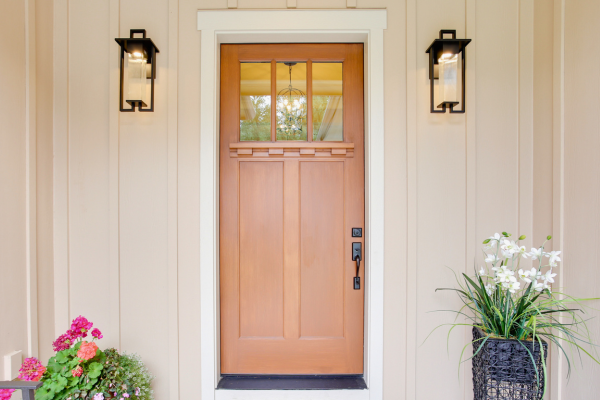
An upgraded entry doesn’t have to be boring. From craftsman styles to sleek modern designs, there’s a wide range of curb appeal front door options to fit your home’s aesthetic. Choose from decorative glass inserts, bold colors, custom finishes, and hardware accents that match your style.
Many energy-efficient front doors feature paintable and stainable surfaces that withstand direct sunlight beautifully, making them ideal for summer homes. A stylish, secure, and efficient entryway instantly boosts the overall value of your property and creates a strong first impression.
Is It Time to Replace Your Front Door?
Do you need a front door replacement this summer? Your existing door may be costing you more than you think. Even if it appears fine on the surface, subtle performance issues can lead to more significant problems down the road.
Common Signs Your Door Isn’t Performing
If you notice drafts around the edges, uneven temperatures near the entryway, or your door sticks or sags in its frame, it’s time for a replacement. Other red flags include warped wood, visible cracks, chipped paint, and condensation between glass panels.
A door that no longer closes or locks securely is also a significant safety risk. These issues not only impact your comfort but can also drive up cooling bills and compromise security. An energy-efficient front door solves these problems by delivering a tight, durable barrier against the elements.
When a Summer Upgrade Makes Sense
Summer is the ideal time for a front door replacement. The weather is warm and dry—perfect conditions for installation. It’s also the season when you’ll notice the most significant differences in comfort and energy use.
If your current door is causing hot spots or driving up your utility bill, investing in a curb appeal front door with energy-efficient features can bring instant relief. It’s a fast project with long-term benefits, especially when paired with other energy-saving home upgrades.
How to Choose the Right Energy-Efficient Front Door
Choosing the right door isn’t just about efficiency—it’s also about finding a design that fits your style, budget, and lifestyle. The good news? You don’t have to figure it out alone.
Picking the Right Finish and Color for Summer
Lighter finishes and reflective paints can actually help keep heat from being absorbed into your entryway. Consider pale blues, whites, grays, or neutral wood tones that resist fading and sun damage. Look for UV-resistant finishes that withstand summer heat without warping or peeling.
A well-chosen finish not only improves thermal performance but also enhances the appearance of your front door for the entire season. Your front entry sets the tone for your home—make sure it works in your favor both visually and functionally.
Getting the Right Fit: Working with a Professional Installer
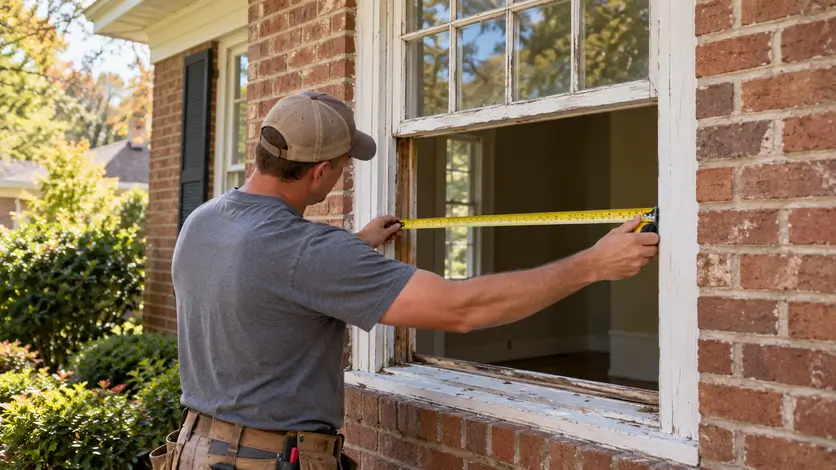
Fit is everything when it comes to energy-saving home upgrades, such as your front entry. That’s why partnering with a licensed, experienced installer is essential. They’ll measure your frame, recommend the best door material for your climate, and handle the whole installation process. From caulking to alignment, every detail matters.
A professional installation ensures your energy-efficient door seals correctly, operate smoothly, and meets security standards. Don’t leave this vital job to guesswork—get expert help to make the most of your investment.
Energy-Efficient Doors for Summer Upgrades- Final Thoughts
Upgrading to an energy-efficient front door is an innovative and cost-effective way to improve your comfort, safety, and curb appeal, especially during the summer. With the right materials, proper installation, and thoughtful design, you’ll enjoy better indoor temperatures, lower bills, and a secure, welcoming entryway. Whether you’re dealing with drafts, rising energy costs, or just want to give your home a fresh look, now’s the time to act.
Ready to upgrade your entryway? Contact Brightnest Transformation today to explore high-quality front door replacement options that fit your needs and style. Let’s make your home cooler, safer, and more beautiful this summer.
FAQS
1. How do I know if my front door is energy efficient?
To determine if your front door is energy-efficient, look for an ENERGY STAR certification, solid-core insulation, quality materials such as fiberglass or steel, and tightly sealed frames. If you feel drafts or notice rising energy bills, replacing your front door might be your next smart home improvement.
2. Can an energy-efficient front door lower my energy bills?
Yes, an energy-efficient front door reduces heat transfer and improves insulation, which helps your cooling system work more efficiently during the summer. This efficiency results in noticeable reductions in monthly electricity bills. Over time, the energy savings can offset the initial cost, making it a wise investment for your home.
3. What’s the best material for a front door in hot climates?
Fiberglass and insulated steel are excellent choices for hot climates. They resist warping, provide substantial thermal barriers, and offer durability against sun exposure. These materials are commonly used in energy-saving home upgrades because they keep interiors cool and last longer without fading or cracking under intense heat.
4. Will a new front door improve my home’s security?
A modern front door replacement often includes stronger frames, multi-point locking systems, and impact-resistant materials. These upgrades increase your home’s protection against forced entry while also improving its appearance. Many homeowners appreciate the added security and peace of mind that comes with installing a new entry door.
5. How much does a front door replacement typically cost?
A typical front door replacement costs between $800 and $2,000, depending on the materials, design, and complexity of installation. Premium features, such as insulation, decorative glass, or advanced locks, may increase costs. However, the return in energy efficiency, security, and a stylish curb appeal front door makes it worth the price.