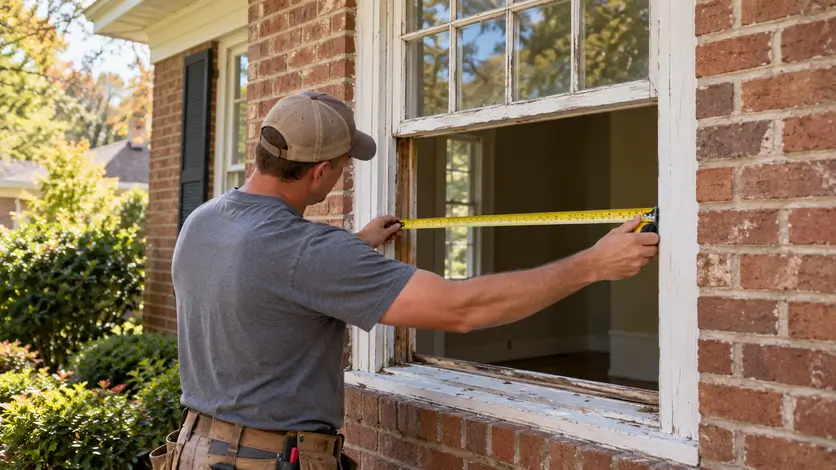
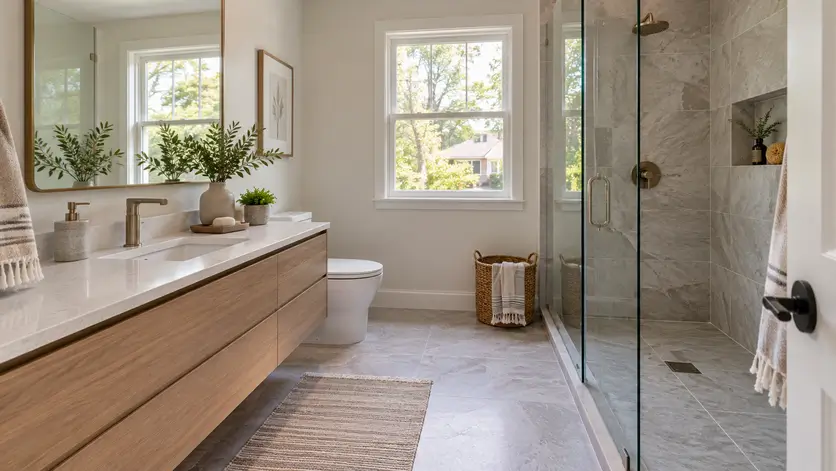
In a high-moisture environment like a bathroom, a window is much more than a source of light. It is a critical component of your home’s ventilation system and a key factor in your privacy.
Whether you are in the middle of a full bathroom remodel or simply noticed that your current frame is starting to show signs of rot, knowing how and when to replace a bathroom window is essential for maintaining your home’s structural integrity.
Why Homeowners Replace Bathroom Windows
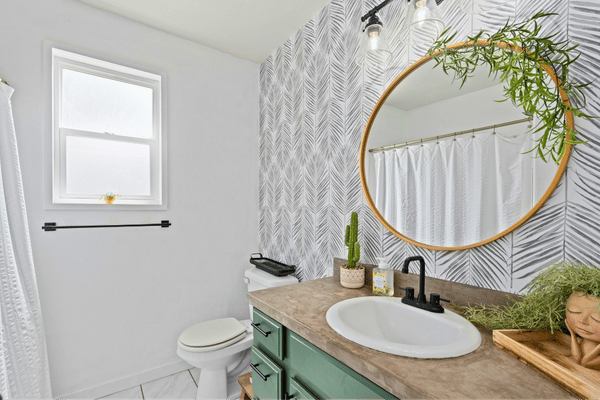
Most homeowners decide to replace a window because the existing one has failed to handle the room’s unique humidity levels. Unlike a bedroom window, a bathroom unit is constantly exposed to steam and temperature fluctuations. Over time, such exposure causes wooden frames to swell or sealants to fail, leading to foggy glass and potential mold growth.
Beyond necessity, an upgrade often happens during a bathroom remodel to improve the room’s aesthetic or to install better privacy glass that allows natural light in without sacrificing seclusion.
Tips for Choosing the Right Bathroom Window
- Prioritize Ventilation: If possible, choose an operable window (like an awning or casement) to help steam escape quickly.
- Check the U-Factor: Look for energy-efficient ratings to ensure the window keeps heat in and cold out.
- Think About Hardware: Choose moisture-resistant finishes like brushed nickel or stainless steel for cranks and locks to prevent rust.
- Consider Placement: High-placed transom windows can provide light and ventilation while maintaining 100% privacy without special glass.
How to Replace a Bathroom Window
Replacing a bathroom window requires careful installation to ensure proper sealing and long-term moisture protection. Because bathrooms produce higher humidity than other rooms in the home, professional window installers pay close attention to waterproofing and structural conditions during the process.
Step 1: Removing the Existing Window
The project begins by removing the existing sash and frame. During this step, installers check for hidden damage such as rot, mold, or moisture inside the surrounding framing. If any structural issues are present, they are addressed before the new window is installed.
Step 2: Preparing the WindowOpening
Once the old unit is removed, the opening is cleaned and inspected. Installers ensure the framing is level, structurally sound, and ready to support the new window. Proper preparation helps prevent air leaks, water intrusion, and installation problems later.
Step 3: Installing the New Window
The new window is placed into the opening and carefully adjusted using shims so it sits perfectly level and square. This step ensures the window opens and closes properly while maintaining a tight seal against drafts and moisture.
Step 4: Sealing and Waterproofing
The final step involves sealing the window with flashing and weather-resistant materials to protect against water intrusion. Proper waterproofing is especially important in bathrooms, where steam and humidity can increase the risk of moisture entering the wall system.
Replacement Costs: What Affects Pricing
If you are budgeting for an upgrade, the cost of replacing a bathroom window can vary significantly based on your specific choices. On average, homeowners can expect to spend anywhere from $400 to $1,200 per window, including labor.
Window Size and Style
A standard-sized vinyl slider is the most affordable option. However, if you opt for a casement window (which cranks open) to improve airflow, the mechanical components will increase the price. Larger windows or custom shapes will also drive up the replacement bathroom window costs.
Frame Material
- Vinyl: The most popular choice for bathrooms due to its moisture resistance and low maintenance.
- Fiberglass: Extremely durable and handles temperature changes better than vinyl, though it comes at a premium price.
- Aluminum-Clad: Offers the look of wood inside with a protective metal skin outside.
Privacy Glass Upgrades
Since bathrooms require privacy, most homeowners choose frosted, seeded, or obscured glass. While these specialty glass options add to the cost, they are a better long-term solution than using window films or heavy curtains that can trap moisture and mold.
Labor and Installation Complexity
Replacing a window in kind (same size, same spot) is relatively affordable. However, if the installer has to cut into the exterior siding or tile work to fit a different style, labor costs will rise.
Structural Adjustments
If your bathroom remodel involves moving the window or enlarging the opening to bring the room up to current egress codes, you will need to budget for structural headers and additional framing work.
Why Professional Window Replacement Matters
While many homeowners enjoy a DIY challenge, bathroom windows are notoriously difficult to seal correctly.
- Warranty Protection: Professional installation typically comes with a labor warranty that DIY work lacks.
- Code Compliance: Contractors ensure the glass is tempered (safety glass) if it is located near a tub or shower, as required by law.
- Moisture Mastery: Pros use specialized flashing techniques that prevent the slow leaks that lead to expensive rot behind your bathroom tiles.
- Energy Efficiency: A professional seal ensures no drafts, keeping your bathroom warm during the winter, and reducing energy bills.
A properly installed window protects more than the glass itself. Professional installation helps ensure the surrounding wall structure stays dry, insulated, and durable for years to come.
Upgrade Your Bathroom Window with Expert Installation
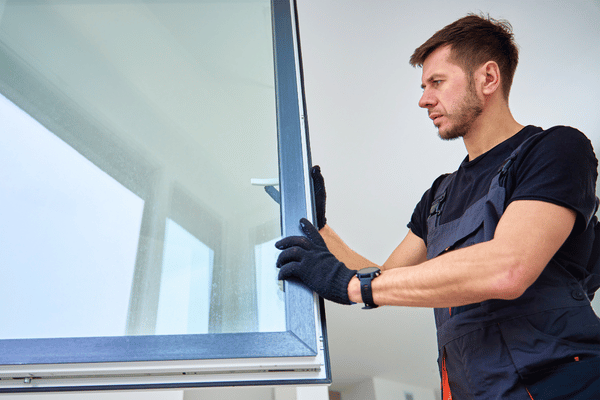
Upgrading your bathroom isn’t just about new tiles and faucets. The right window provides the light, air, and protection your home deserves. By choosing the right materials and focusing on proper moisture control, you ensure your remodel looks great for decades.
Schedule a free window consultation today with Brightnest Transformation and explore energy-efficient, moisture-resistant windowoptions designed for your bathroom.
Frequently Asked Questions
1. How long does it take to replace a bathroom window?
Replacement usually takes from two to six hours, depending on the complexity of the job. Hiring a professional can speed things up, as they’ve got the tools and experience. Regardless, make sure you’ve got everything ready to make the process as smooth as possible.
2. Is it worth it to replace a window during a bathroom remodel?
Absolutely. It is the most cost-effective time to do it. Since the area is already a work zone, you avoid the extra mess and labor costs of a standalone project later on, and you can ensure the window’s waterproofing integrates perfectly with your new wall finishes.
3. What is the best window style for a bathroom?
Awning windows are excellent for bathrooms because they hinge at the top and open outward, allowing for ventilation even when it’s raining outside. Casement windows are also popular for their tight seals and maximum airflow.
4. Do I need a permit to replace a bathroom window?
In many jurisdictions, a simple pocket replacement doesn’t require a permit. However, if you are changing the size of the opening or if the window is near a shower (requiring tempered glass), a permit and inspection are usually mandatory to ensure safety compliance.
5. How do I maintain my new bathroom windows?
Start by cleaning them regularly with a mild soap solution and a soft cloth. Inspect the seals for any wear or damage, and address any issues promptly to prevent leaks. Check the window frames for mold or mildew, especially in humid environments. Finally, lubricate the hinges and tracks periodically to guarantee smooth operation.