What Is the Correct Order to Remodel a Bathroom?
The correct order to remodel a bathroom is to plan, demolish, repair framing, run the plumbing and electrical rough-in, and pass the rough inspection. Then install the exhaust fan, hang backer board, waterproof, and tile. Paint next, then set the vanity, toilet, fixtures and glass before the final inspection. Each step covers the one before it, so skipping ahead means tearing out finished work.
Key Takeaways
- Planning comes first because moving the toilet, shower or vanity changes permits, cost, and the whole schedule.
- The rough inspection has to pass before any wall or ceiling in the bathroom gets closed up.
- Backer board is only a tile substrate, so the shower still needs a waterproofing layer before any tile.
What is the first thing to do when remodeling a bathroom?
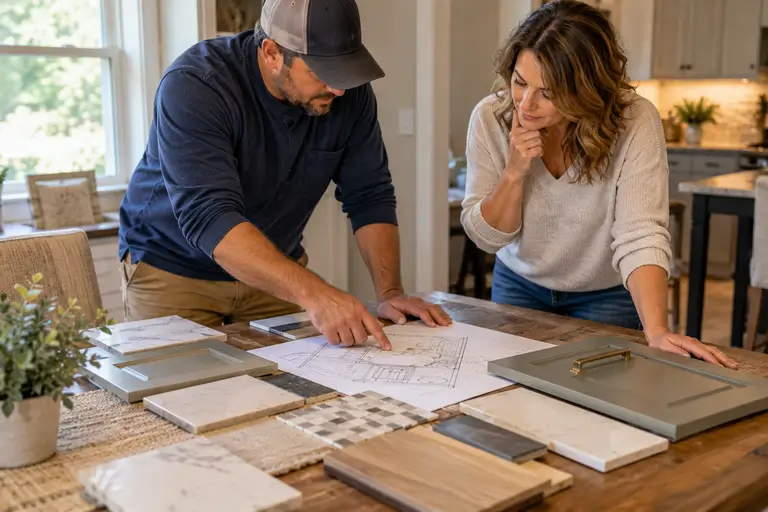
The first step is planning, not demolition. Decide what stays and what moves, set a budget, and choose your tile, vanity and fixtures before anyone swings a hammer. Moving plumbing changes the permits, the price and the schedule. Late material choices leave a torn-out bathroom sitting idle.
We’d start with these decisions, in about this order:
- Layout: Is the toilet, shower drain or vanity moving, or staying where it is?
- Scope: Are you doing a cosmetic refresh, a tub-to-shower conversion, or a full gut down to the studs?
- Materials: Choose your tile, shower valve, vanity and glass early, since lead times can hold up the job.
- Permits: Ask your local building department what your scope needs. Moving plumbing or adding a circuit usually triggers a permit.
- Home age: If your house was built before 1978, disturbing painted surfaces falls under the EPA’s Renovation, Repair and Painting Rule, which calls for lead-safe work practices.
Our bathroom remodel checklist walks through these planning questions in more detail.
We work with homeowners and property managers in Fayetteville, Peachtree City, Newnan, Jonesboro, McDonough, Stockbridge and Reynoldstown. The planning conversation is where most of the hard choices get settled, and it is always the first thing we do.
What is the correct order to remodel a bathroom?
Work from the inside of the walls out: demolition, framing, rough-in, inspection, then the layers that cover it all, finishing with fixtures and the final inspection. Each step sits on top of the last one, so the order is set by what gets buried.
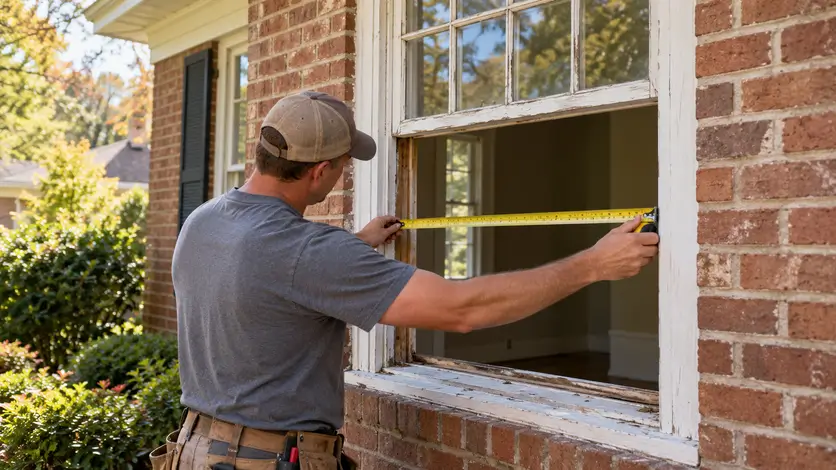
- Demolition. Tear out tile, the tub or shower, the vanity and the toilet. This is when rot, mold, soft subfloor near the toilet, or old galvanized supply lines turn up.
- Framing and subfloor repair. Fix damaged framing and subfloor. Add blocking for grab bars now if anyone in the home may need them later.
- Plumbing rough-in. Run supply lines and drain and vent piping, and set the shower valve at its finished location.
- Electrical rough-in. Run wiring for GFCI-protected receptacles, lighting, the fan and any heated-floor mat.
- Rough inspection. The inspector checks plumbing, electrical and framing while everything is still exposed. Closing a wall before this inspection is a classic redo.
- Exhaust fan and ducting. Duct the fan straight to the outdoors, never into the attic.
- Backer board and waterproofing. Backer board is only a substrate, it doesn’t waterproof. The shower needs a sheet or liquid membrane, following the manufacturer’s assembly, and the shower pan gets a flood test before tile goes on.
- Tile. Set the floor first, then the shower walls, niches and curb. Grout and seal once everything has cured.
- Paint. Paint the ceiling and walls before the fixtures go in.
- Fixtures and final. Install the vanity, top, toilet, faucets, trim, mirrors and shower glass, then call for the final inspection.
Does the order change for a smaller bathroom project?
Yes. A smaller job skips steps, but the steps that remain keep the same sequence. A vanity swap never opens a wall, so it has no rough-in stage. A tub-to-shower conversion still runs through waterproofing and a pan flood test before any tile goes up.
| Project | What gets torn out | Rough inspection likely? | Where the sequence starts |
|---|---|---|---|
| Like-for-like vanity or faucet swap | Old vanity, top and faucet | Often not, but confirm with your building department | Fixtures |
| Tub and surround replacement | Tub, surround, some wall board | Depends on whether the drain or valve moves | Demolition, then repair and waterproofing |
| Tub-to-shower conversion | Tub, surround, often the floor at the drain | Usually, since the drain and valve are reworked | Demolition, then plumbing rough-in |
| Full gut renovation | Everything down to the studs | Yes, for plumbing, electrical and framing | Demolition, then every step in order |
A curbless shower adds a framing step, because the floor has to be recessed or the joists adjusted so water slopes to the drain. You can see the kinds of projects we take on in our bathroom transformations.
How much does a bathroom remodel cost?
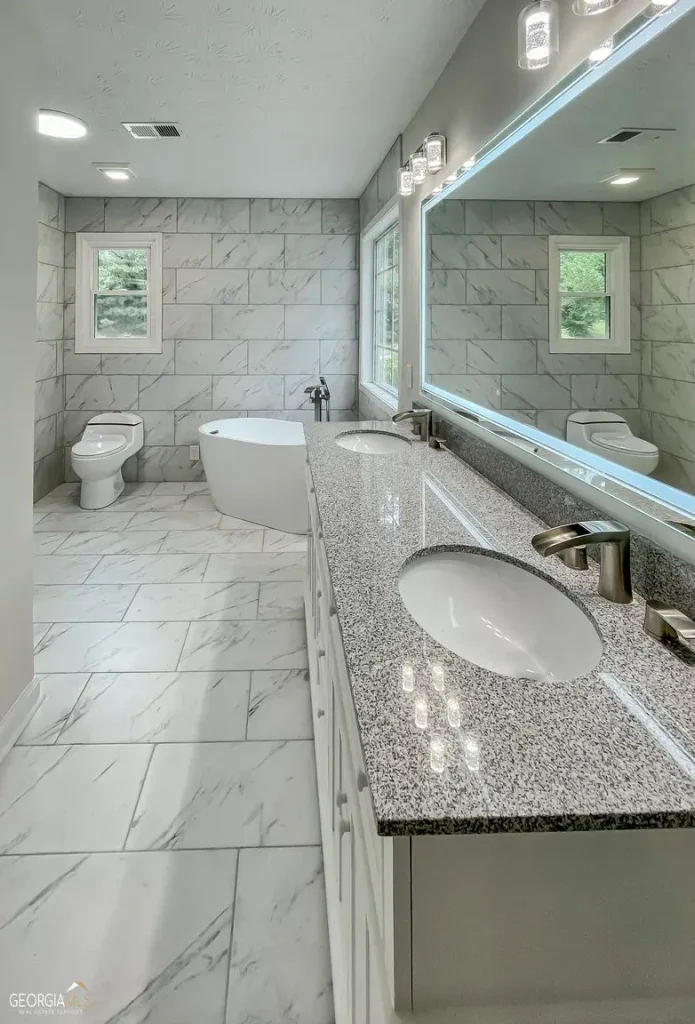
Cost depends mostly on scope. The biggest factors are whether plumbing moves, how much tile goes in, and your fixture grade. A like-for-like refresh costs far less than a full gut with a new layout. The fair way to price any bathroom is from an in-person look, not a national average.
These are the factors that move the number the most:
- Relocating plumbing. Moving a drain or toilet flange means opening the floor and reworking the rough-in.
- Tile area and complexity. A fully tiled shower with a niche and bench costs more than an acrylic surround.
- Fixture grade. Valves, vanities and glass range widely in price.
- Curbless or custom showers. The floor work adds labor.
- Hidden conditions. Rot, mold or old supply lines found at demolition add work nobody could price in advance.
Timing works the same way. A full bath is commonly a few weeks of working time. The calendar stretches with inspection scheduling, tile lead times, and cure time for mortar, membranes and grout. We won’t promise a fixed number of days before we’ve seen what’s behind your walls.
Getting the order right also protects your budget, because out-of-sequence work gets paid for twice. If you’re comparing bathroom remodel contractors, ask each one how they sequence inspections and waterproofing.
When you’re ready to plan yours, look over our remodeling services or call us at 678-883-1220.